Reading Well
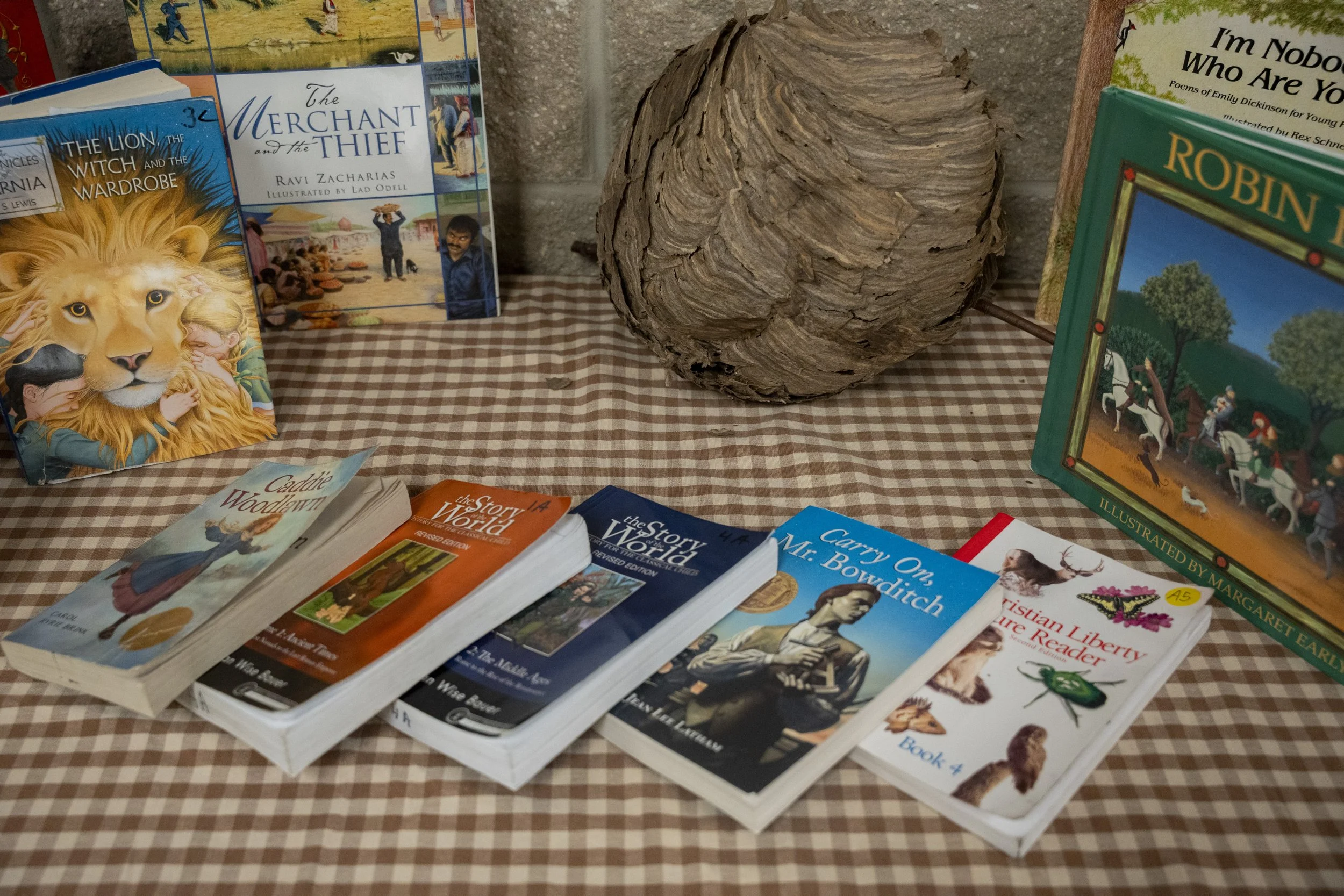
May you find pieces of life in these living books.
By: BARBARA BEACH, PERIMETER SCHOOL Director of libraries
For many years, I have shared with the Perimeter School family the benefits of reading. Reading improves comprehension, language development, and vocabulary. It strengthens cognitive skills, memory retention, and critical thinking. It increases empathy as we predict, assess, and evaluate a character’s situation. It develops discernment toward different worldviews. It inspires creativity and fosters imagination - skills that many companies now seek. Reading also improves concentration and relieves anxiety by allowing for stillness, rest, reflection, focus, and attentiveness. And reading well has the power to crystallize our understanding of the virtues: justice, self-control, courage, prudence, faith, hope, and love.
Reading Well
But with all these benefits, why are reading and reading comprehension consistently declining? I think it is because we often approach reading literature as if it were a speed contest to see how quickly we can finish the book. We treat it the same way we scroll through phone messages, Facebook posts, or listen to the television while doing something else. We do not take the time to savor the book and enjoy all it has to offer. We read words on a page, but we do not attend to them with thoughtful interpretation and insight. In short, we are not reading well.
To read well, one must slow down and patiently give attention to the written word, carefully interpreting its meaning - both within the story itself and in its application beyond the page to life. With this in mind, I would like to share three books that have had a significant impact on me.
Book recommendations

Trying by Kobi Yamada is a book we all need to read every year. I placed it on our Grade 1 Honors Reading list because I wanted the children to hear it, and I wanted parents to read it as well! Trying is about being so afraid of failure that you choose to do nothing. As the book says, “If you do nothing, it feels safe, but everything stays the same … The fear of failing is the scariest part, and it stops most people from starting.”
This book helped me think less about myself and more about how God might use me if I simply try. For example, a few years ago Meredith Bowman asked me if I could make a “transition dress” for the spring musical, Cinderella. I had never heard of a transition dress, but she showed me a video, and I thought I could give it a try.
I spent many hours building the dress. We tested it, made adjustments, and tested it again. It seemed to be working. But during dress rehearsal, something went terribly wrong. Cinderella was not quite ready for the ball because her ragged dress was showing!
As I was analyzing the dress, I heard two sweet girls in the corner praying about it. I went home in tears, but I told God that this was not about my success; it was about strengthening the faith of those girls by answering their prayers. When showtime came and the transition moment arrived, I was pacing backstage and praying hard. By God’s grace, Cinderella turned her rags into a beautiful dress. If I had not tried, and failed, those girls would not have seen their prayer answered. Their faith was strengthened that season, and God allowed me to be a part of it by failing … and trying again.
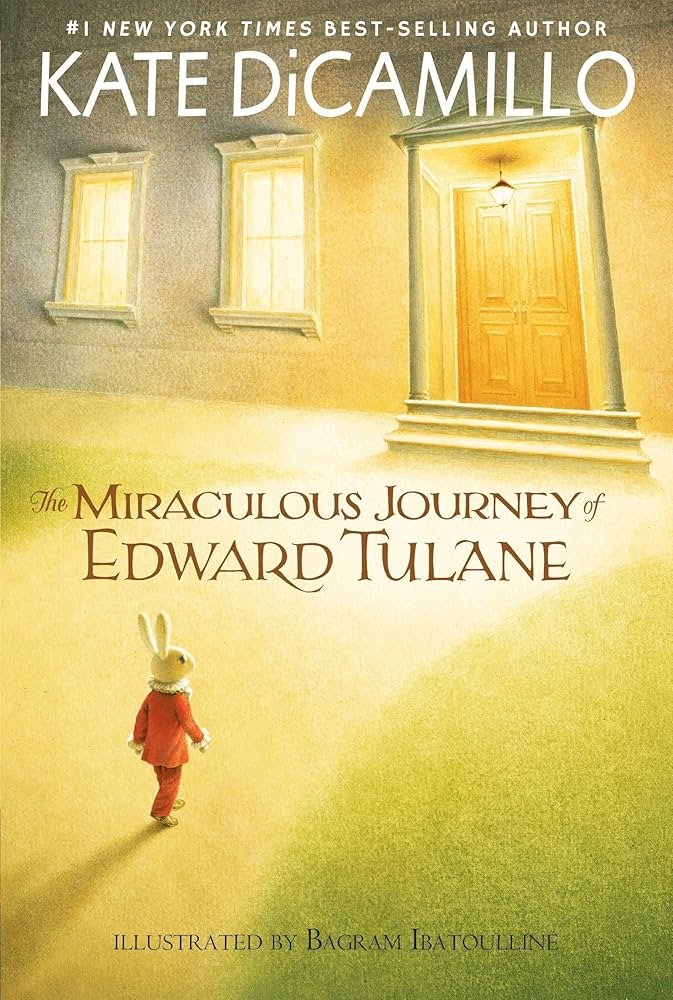
The Miraculous Journey of Edward Tulane by Kate DiCamillo is on our Grade 4 Honors Reading list. It is the book that taught me what a Living Book truly is. I have read it to our Grade 4 class for nearly twenty years because I love it so much and believe it is an important story for them to hear. Each time I read it, I gain new insights.
Edward Tulane is a beautiful but self-centered china rabbit who belongs to a little girl named Abilene. She loves Edward more than anything, but Edward does not understand love because he is far too “amazed at his own fineness.” Abilene’s grandmother, who commissioned Edward’s creation, tells them the story of a beautiful princess who does not love. The story does not end happily ever after, and Abilene wonders why - don’t all princess stories end happily?
Her grandmother replies with simple but profound wisdom: “Ah, and so … but answer me this: How can a story end happily if there is no love?”
Edward then begins a journey filled with many changes. Along the way, he learns what love is and how to love others. This story reminds me of my own journey of faith - my sanctification. It causes me to reflect on how I love others and whether I love them more than I love myself. It reminds me that although the journey of faith contains disappointment, sadness, and sorrow, it also offers happiness and hope.
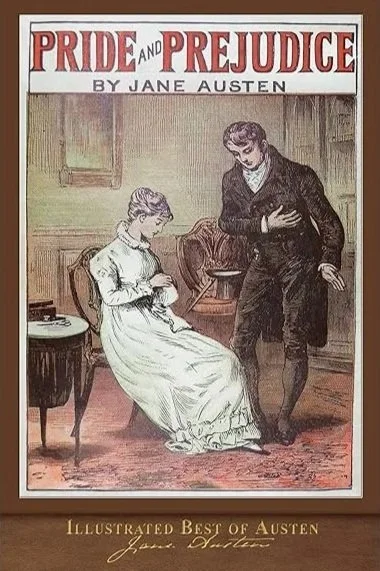
Pride and Prejudice by Jane Austen is on our Grade 8 Honors Reading list. It is a classic and one that all young women should read (and it would not hurt young men to read it as well!). Austen is a master at contrasting outward character with inward character. In her story, first impressions and secondhand reports often do not match what is discovered upon closer examination, leading to many misunderstandings.
From this book, I learned not to make quick judgments about people but to wait until I know them better. In doing so, I have come to know and admire people more fully.
Two of my favorite observations about human nature come from Pride and Prejudice. The first is spoken by Elizabeth Bennet: “My fingers … do not move over this instrument in the masterly manner which I see so many women’s do … but I have always supposed it to be my own fault - because I did not take the trouble of practicing.” This reminds me that if I want to improve at something, I must apply myself and continue practicing. (Elizabeth would certainly appreciate the message of Trying!)
The other quote comes from Elizabeth’s father, Mr. Bennet: “No, Lizzy, let me once in my life feel how much I have been to blame. I am not afraid of being overpowered by the impression. It will pass away soon enough.” What wisdom and insight into human nature! Mr. Bennet recognizes that his sorrow will be short-lived and that another
shortcoming is never far away. I must feel the weight of my sin, but my repentance must lead to real change.
Time would fail me to write about the fantasies of Lewis and Tolkien, the biographies of Bonhoeffer and Churchill, or the incredible story of daring to beat Hitler’s Olympic rowing team right in front of him in The Boys in the Boat. These stories, and many more, are worth the sacrifice of television watching, phone scrolling, video gaming, Facebook posting, and even movie nights.
May you find pieces of life in these Living Books. And may you find fullness of life in reading God’s Living Book.
Detailed instructions for the Honors Reading Program can be found here. Students who fulfill the requirements for either “gold” or “silver” will receive recognition on Honors Day at the end of the year.